
The significance of color in the gaming environment
The psychology of color plays a crucial role in creating the ambiance of a casino, influencing visitors’ emotions and behaviors. Color has the power to evoke feelings of excitement, relaxation, and even anxiety, significantly impacting a player’s experience. Designers carefully select hues that promote engagement and prolong the time guests spend in the venue. For instance, vibrant colors like red and yellow can stimulate feelings of enthusiasm and energy, enticing players to try their luck on the no kyc casinos slot machines or at the tables.
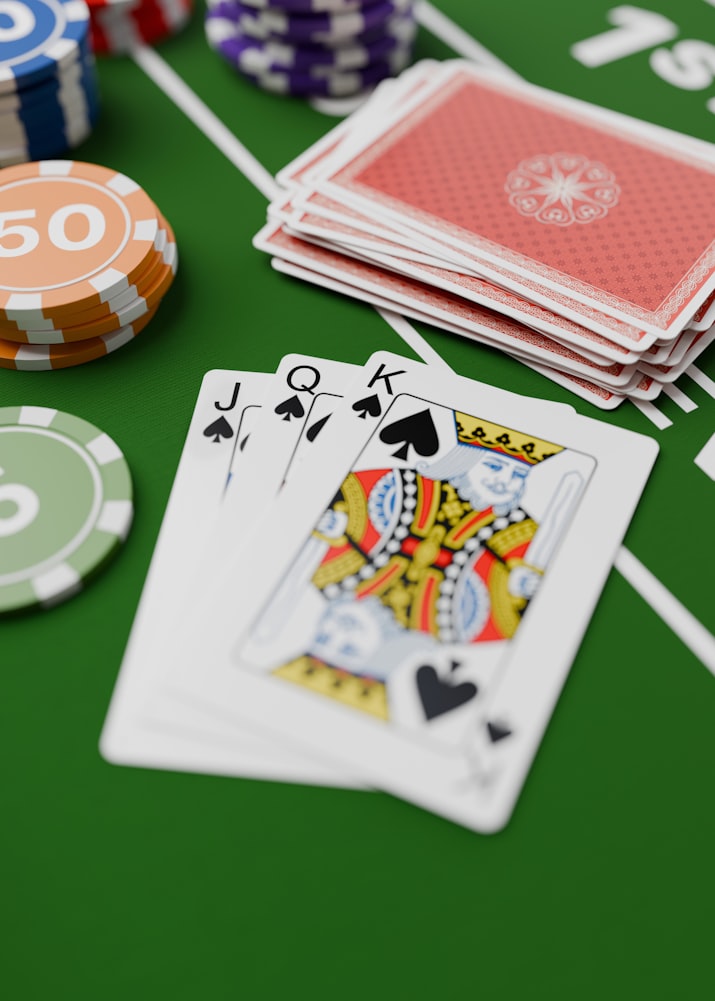
Moreover, softer colors such as blues and greens can create a calming effect, encouraging patrons to relax and enjoy their time within the casino. The strategic use of color can also help guide player movement throughout the space while enhancing the overall aesthetic appeal. By understanding the psychological effects of different shades, casino designers can effectively curate an environment that fosters both excitement and comfort.
Colors and their psychological effects
Diving deeper into the specific effects of colors, red is often associated with passion and intensity, making it a popular choice in casino design. It not only attracts attention but also stimulates appetite and energy, which may explain why many casinos use red in their branding and decor. On the other hand, blue signifies trustworthiness and security, making it a color that can instill a sense of safety in players, encouraging them to spend more time and money within the establishment.
Green, often linked to luck and prosperity, is commonly used in spaces where gambling occurs, such as poker tables and card games. This color can create a sense of calm that helps players focus and make strategic decisions. In contrast, colors like yellow can evoke feelings of happiness and optimism, enticing players to engage in more social interactions, which may enhance the overall casino experience.
The role of lighting in color perception
Lighting is another crucial factor that influences how colors are perceived in a casino setting. Bright, vibrant lighting can make colors appear more striking and energizing, while dimmed environments can soften the appearance of colors, creating a more intimate atmosphere. This interplay between color and lighting can significantly affect the psychological state of players as they navigate the gaming floor.
Furthermore, dynamic lighting can change throughout the day, enhancing the colors in the casino and keeping the environment fresh and engaging for returning guests. By carefully manipulating lighting, designers can optimize the psychological impact of colors, ensuring that players feel both entertained and comfortable during their visit.
Case studies of successful casino designs
Examining successful casino designs reveals the effective integration of color psychology into their layouts. For example, renowned casinos like The Bellagio and The Venetian in Las Vegas employ color schemes that enhance their luxurious and inviting atmosphere. The use of rich jewel tones paired with gold accents creates an air of opulence while simultaneously stimulating guests’ emotions.
Similarly, newer casinos are increasingly adopting innovative color strategies that cater to younger audiences. By incorporating vibrant pops of color and modern design aesthetics, these establishments attract a diverse clientele eager for unique experiences. These case studies highlight how understanding psychological responses to color can lead to successful casino designs that draw guests in and keep them engaged.
Enhancing user experience through strategic design on the website
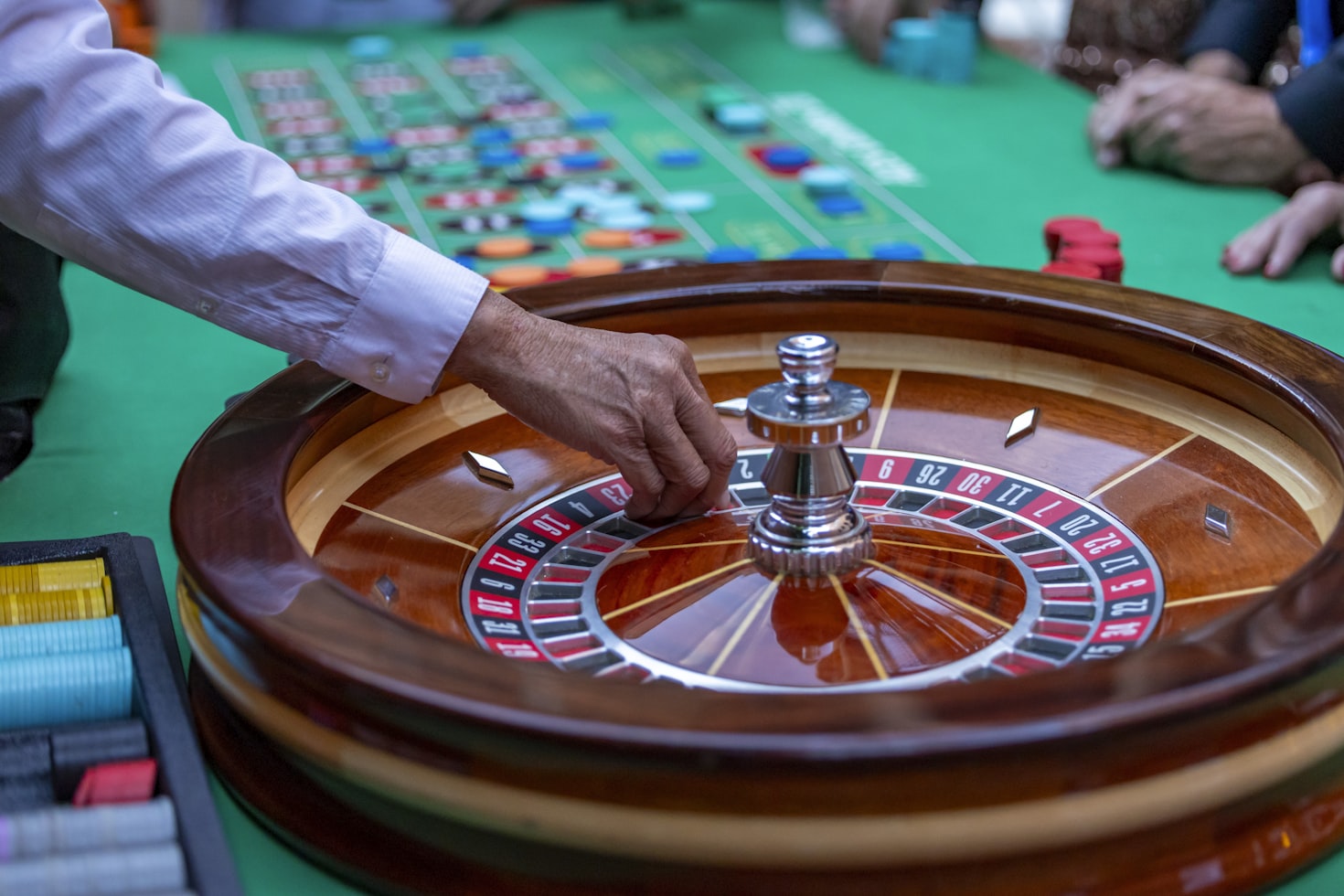
The principles of color psychology extend beyond physical casinos to the digital realm, including casino websites. A well-designed website blends inviting colors and user-friendly navigation, creating an engaging online environment akin to the physical casino experience. The strategic use of colors can guide users to important sections, encouraging them to explore games and promotions more thoroughly.
Moreover, maintaining a cohesive color palette that reflects the casino’s brand identity fosters a sense of trust and recognition among users. As players transition from the physical to the online space, the psychological impact of colors remains a significant factor in enhancing their overall experience and satisfaction.